F&B & FMCG | BI & Executive Reporting
Reduction in manual reporting effort across regional and central teams
Reduction in monthly review cycle time
About
Pernod Ricard is a major global F&B group with multi-brand FMCG operations spanning premium spirits, wines, and ready-to-drink categories. With regional operations managing distinct market conditions, trade structures, and regulatory environments across multiple geographies, the group's reporting infrastructure had not kept pace with the complexity of the business — producing a picture that was two to three weeks old by the time it reached the executive committee.
Industry
F&B & FMCG | BI & Executive Reporting
Company size
10,000+ employees
Founded
1975
The Company
A global F&B leader with a reporting infrastructure that had not kept pace
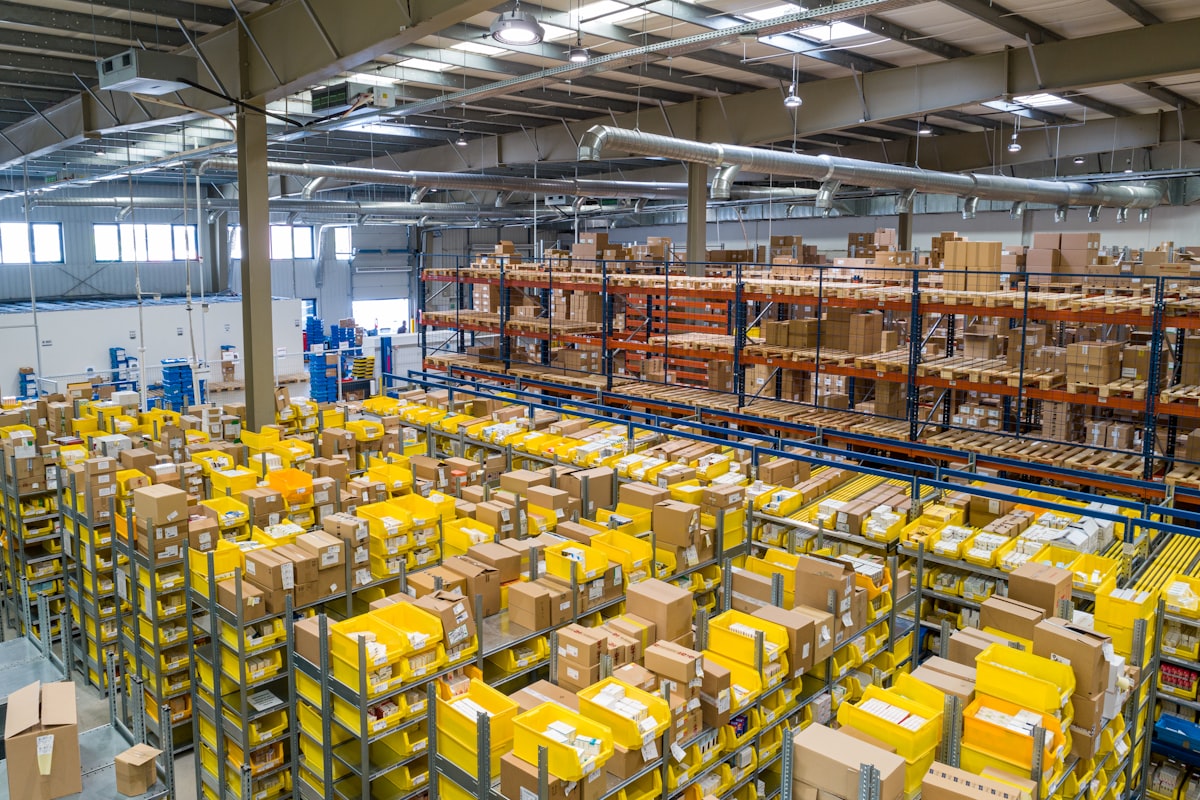
Pernod Ricard is a major global F&B group with multi-brand FMCG operations spanning premium spirits, wines, and ready-to-drink categories. The group operates through a large distributor and sales network across multiple geographies, with regional operations managing distinct market conditions, trade structures, and regulatory environments.
Despite the scale and sophistication of the organisation, the reporting infrastructure had not kept pace with the complexity of the business. Regional operations maintained their own reporting systems, in their own formats, on their own timelines — producing a monthly consolidation exercise that consumed significant resource at both regional and central levels and still produced a picture that was two to three weeks old by the time it reached the executive committee.
The challenge
Three interconnected reporting failures compounding each other
The reporting challenge had three interconnected dimensions. First, data fragmentation: sales, inventory, distribution, and financial data lived in separate systems across regions, with no automated mechanism for consolidation. The monthly close process required significant manual extraction, transformation, and reconciliation work before any analysis could begin.
Second, timeliness: the two to three week lag in consolidated reporting meant that leadership was making decisions based on data that was already a month old in practice. Fast-moving situations — a regional stockout, a distributor underperforming against targets, a promotional execution shortfall — were often visible in the data too late to respond effectively.
Third, granularity: consolidated reports operated at a level of aggregation that made it difficult to identify the specific products, geographies, or distributor relationships driving performance variances. Investigation required additional manual analysis that further extended the time between observation and action — by which point the window to intervene had often already closed.
The Solution
A three-layer enterprise data and reporting infrastructure
Seven Billion implemented a comprehensive enterprise data and reporting infrastructure built across three layers. The foundation layer was a centralised enterprise data warehouse built on cloud infrastructure, fed by automated ETL pipelines that extracted data from all regional and functional source systems — SAP, distributor management systems, trade promotions platforms, and financial reporting tools — on a daily refresh cycle. Data quality rules and reconciliation checks were built into the pipeline, with automated exception alerts replacing the manual reconciliation work that had previously consumed significant analyst time.
The intelligence layer was a unified KPI architecture that defined, calculated, and stored the agreed business metrics across all dimensions — SKU, brand, region, distributor, channel, and time period. This created a single source of truth: when regional and central teams looked at a number, they were looking at the same number, calculated the same way.
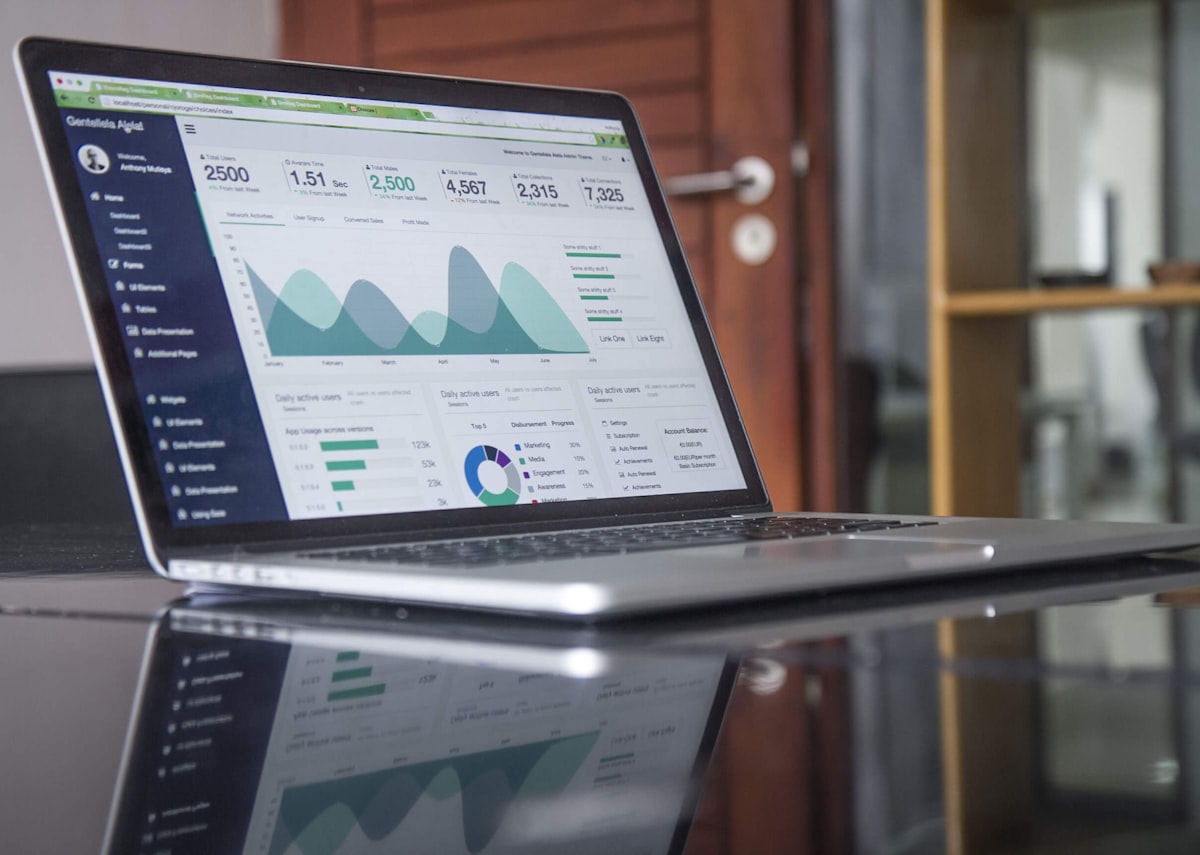
The delivery layer was an executive command centre dashboard built in Power BI, providing daily access to performance against all key metrics at the level of granularity required for action — from the top-level group view down to individual SKU performance in specific regional markets. Automated commentary was generated for significant variances, and the dashboard was designed to answer the leadership team's most common analytical questions without requiring additional analyst intervention.
The Results
60% reporting effort reduction and a fundamentally different kind of leadership meeting
Manual reporting effort reduced by 60% across regional and central teams combined — with the automated ETL pipeline and unified data warehouse replacing the manual extraction, consolidation, and reconciliation process that had previously occupied significant analyst capacity every month.
The monthly review cycle was shortened by two weeks — with the executive command centre delivering an up-to-date view of business performance on a daily basis rather than a monthly one. Full SKU and regional visibility was achieved for the first time: leadership could see performance at any level of the hierarchy, in any combination, without requiring custom analysis requests to be submitted and fulfilled.
The quality of executive discussion improved measurably. The committee spent less time reconciling data discrepancies and more time on the strategic and operational decisions the data revealed. Weekly dashboard reviews replaced the monthly slide pack as the primary vehicle for leadership performance discussion — a structural change that made the business faster, more responsive, and more aligned.

For the first time, every region and every function is looking at the same numbers. That sounds simple. It is not. And the difference it makes to how quickly we can identify a problem and act on it is enormous.
Regional CFO, Pernod Ricard
KEEP READING
Explore more studies on AI, analytics, and enterprise intelligence.