Manufacturing | Predictive Maintenance & Quality Control
RL policy engine + OR allocation
Improvement in first-pass quality rate

About
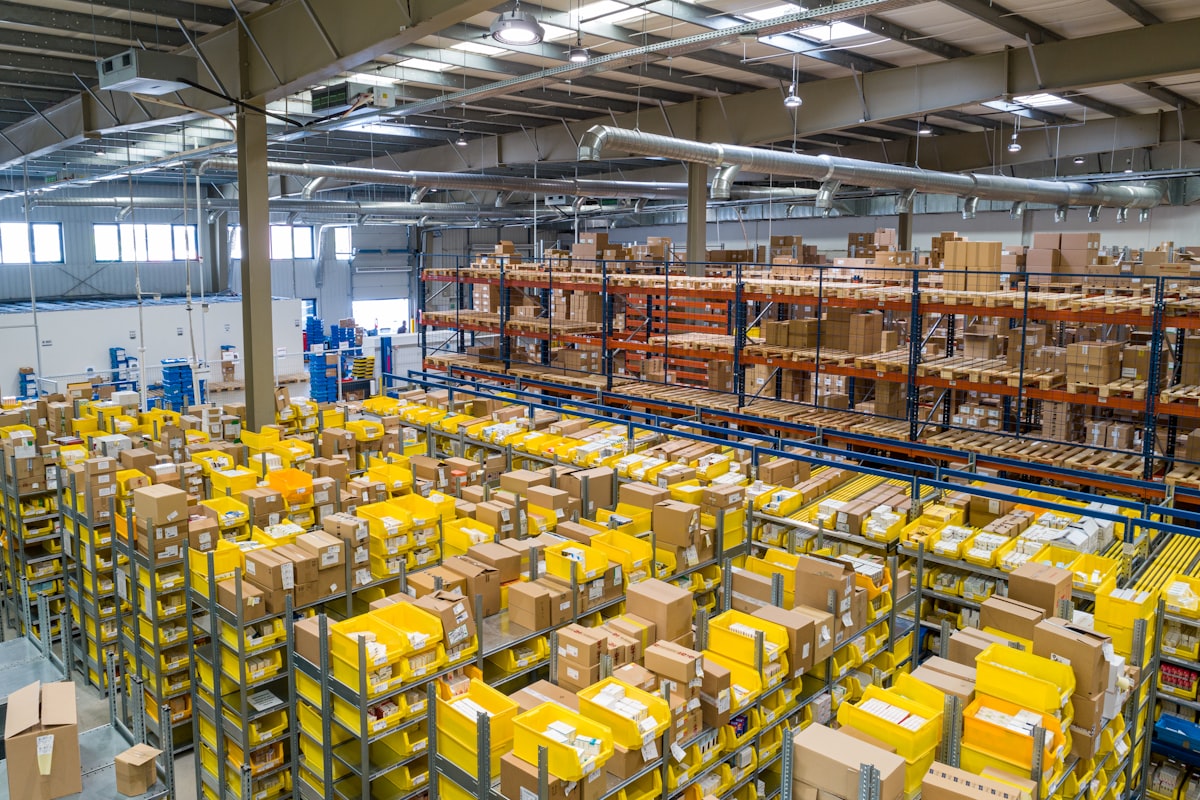
Ironworks Industries is a heavy manufacturing firm operating four production facilities, each housing 20 to 40 pieces of complex industrial equipment. Producing precision-engineered components for industrial and automotive customers, where quality defects carry significant downstream costs, the business needed a maintenance and quality management system that could operate at a level of precision and consistency no manual process could match.
Industry
Manufacturing | Predictive Maintenance & Quality Control
Company size
1,000 – 5,000 employees
Founded
1995
The Company
Precision manufacturing with a maintenance process that had not kept pace
Ironworks Industries is a heavy manufacturing firm operating four production facilities, each housing 20 to 40 pieces of complex industrial equipment. The business produces precision-engineered components for industrial and automotive customers, where quality defects carry significant downstream costs — both in direct rework and scrap and in the warranty and relationship implications of parts that fail in the field.
Maintenance had historically been managed on a calendar-based preventive schedule — equipment was serviced at fixed intervals regardless of actual condition or usage patterns. While this approach prevented some failures, it also generated unnecessary maintenance on equipment that was performing well, while missing failures that developed faster than the maintenance cycle anticipated.
The challenge
Two parallel problems: unplanned failures and late quality detection
The business was experiencing two parallel problems. First, unplanned equipment failures — breakdowns occurring between scheduled maintenance events — were causing production disruptions that averaged 14 hours per incident and significantly impacting delivery commitments to customers. Second, quality defects were being detected too late in the production process — often at final inspection or, in worst cases, post-shipment — generating rework costs and occasionally warranty claims.
The maintenance team had extensive experience and strong intuitions about which equipment was prone to failure, but their judgments were based on observation rather than data. Sensor data from equipment had been collected for years but was not being analysed systematically — it sat in log files that maintenance engineers reviewed manually when investigating a specific problem, rather than being monitored in real time for early warning signals.
The combination of calendar-based maintenance and lagging quality detection was creating costs across two fronts simultaneously: expensive emergency repairs and the downstream consequences of quality failures reaching customers.
The Solution
Predictive maintenance and real-time quality monitoring from a single sensor infrastructure
Seven Billion deployed a two-component solution: a predictive maintenance system and a real-time quality anomaly detection system, both drawing from the same sensor data infrastructure.
For predictive maintenance, TSFresh was used to transform raw sensor time series — temperature, vibration, current draw, runtime, pressure — into a feature set capturing both the current state of the equipment and the trajectory of key indicators over time. A LightGBM classification model was trained on historical sensor data matched to maintenance records to identify the patterns that preceded failures. The model was connected to AWS IoT Core for real-time sensor ingestion, generating a daily health score for each machine and pushing automated alerts to the maintenance team when a machine's trajectory indicated an imminent maintenance event.
The quality control component monitored key process parameters during production runs and used anomaly detection algorithms to flag deviations from optimal process conditions in real time — before they resulted in defective output. Quality alerts were fed to line supervisors through a Grafana dashboard and could trigger automatic hold flags on affected production batches for inspection before release.
The Results
A 22% reduction in maintenance costs and 16% improvement in first-pass quality
Total maintenance costs reduced by 22% — a combination of reduced emergency repair costs and the optimisation of preventive maintenance scheduling away from the fixed-calendar model toward condition-based timing. First-pass quality rate improved by 16%, with the quality monitoring system catching process deviations that previously resulted in defective output, allowing corrective action during the production run rather than after it.
Unplanned maintenance events reduced by 34% in the first six months, with the predictive model successfully identifying developing failures in 78% of monitored equipment prior to the scheduled maintenance window. Mean time between failures improved by 2.4x — reflecting both the reduction in unplanned failures and the improvement in the quality of maintenance interventions.
The maintenance team's relationship with the equipment changed fundamentally — moving from a pattern of responding to failures after they occurred to one of managing developing conditions before they resulted in disruption.

The reduction in unplanned failures alone justified the engagement. Everything else — the quality improvement, the maintenance cost reduction — was additional value on top of a very clear primary case.
VP Manufacturing, Ironworks Industries
KEEP READING
Explore more studies on AI, analytics, and enterprise intelligence.